





Blogs
- Introduction
- How Common Are Counterfeit UAE Dirham Notes?
- The 30-Second Inspection Checklist: Your Quick Reference
- The Touch Test: What Real UAE Dirham Notes Feel Like
- Ready to stop counting coins by hand?
- The Look Method: Visual Inspection Without Tools
- The Tilt Test: The Security Feature That Moves
- Security Features Explained: What You're Actually Looking At
- Old vs. New Polymer Notes: What's Changed?
- Common Mistakes That Counterfeiters Make
- What Businesses Should Check Before Accepting Cash
- Professional Counterfeit Detection Solutions: Recommended Tools
- What to Do If You Receive a Suspicious Note
- Frequently Asked Questions About How to Detect Fake UAE Dirham Notes
- Printable 30-Second Inspection Checklist
- Building Trust Through Verification
- Final Thoughts: Confidence in Every Transaction
- Still not sure which machine fits your operation?
Introduction
You’re counting the till at closing time when something feels off about that 100 AED note in your hand. Is it real? Within seconds, you need to know.
Counterfeit currency isn’t just a problem in sketchy back alleys—it reaches regular businesses, banks, and cashiers every single day. The UAE Dirham, being one of the region’s most frequently handled currencies, remains a target for counterfeiters. But here’s the good news: detecting fake UAE Dirham notes doesn’t require specialized equipment or years of training.
In the next few minutes, we’ll walk you through everything you need to know to spot counterfeit notes instantly. Whether you’re a cashier, business owner, or just someone who handles cash regularly, this guide will make you confident in your ability to verify the notes in your wallet.
Beyond manual inspection, we’ll also explore professional detection solutions that can provide an extra layer of security for your business operations.
How Common Are Counterfeit UAE Dirham Notes?
Before we get into the specifics, let’s address the elephant in the room: just how big is the problem?
The Central Bank of the UAE doesn’t publish exact figures on counterfeiting rates (for security reasons), but counterfeiting remains a genuine concern across the Gulf region. Financial institutions regularly train employees on currency verification, and the fact that the UAE has invested heavily in security features suggests the threat is real enough to warrant serious attention.
Think about it logically. The easier a currency is to forge, the more attractive it becomes to counterfeiters. The UAE’s commitment to advanced security features in their newer polymer notes shows they take this seriously.
Most counterfeit notes in circulation come from two sources: low-quality amateur attempts and sophisticated professional operations. The amateur notes are easy to spot. The professional ones? That’s where this guide becomes invaluable.
The International Monetary Fund and various banking security reports confirm that Middle Eastern countries face regular challenges with counterfeit currency, making detection skills essential for anyone handling cash regularly.
The 30-Second Inspection Checklist: Your Quick Reference
Before we break down each technique, here’s what you need to do in 30 seconds or less:
The Quick Test:
- Feel the texture (rough or smooth?)
- Look at the color registration (is everything aligned?)
- Check the security thread (visible and metallic?)
- Tilt the note (do the colors shift?)
- Examine the watermark (hold it to light)
If something fails this test, set the note aside. You’ve already spent more time than you needed to identify a fake.
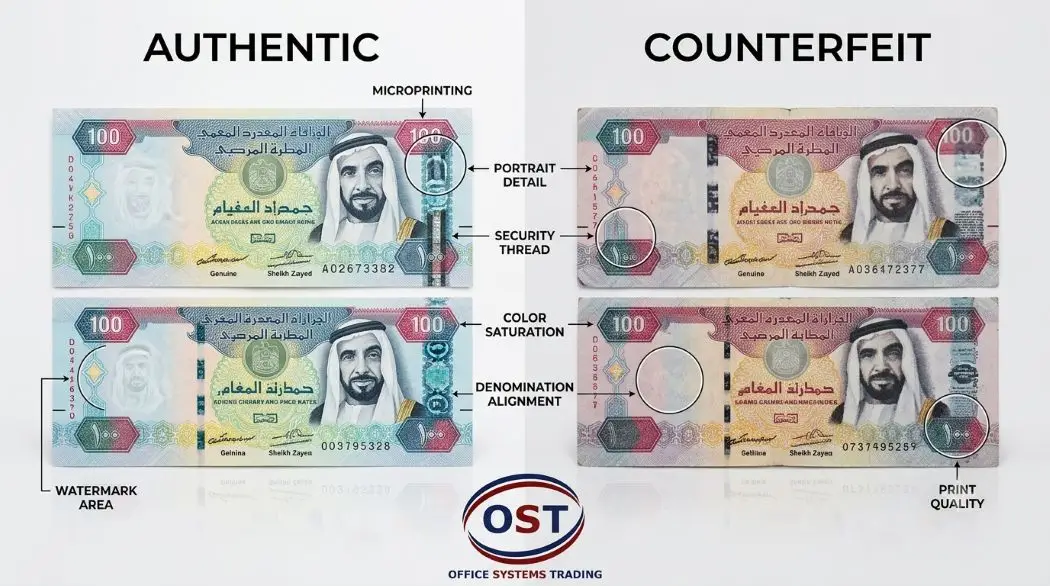
The Touch Test: What Real UAE Dirham Notes Feel Like
Real currency should feel substantial and textured. This is one of the most overlooked security features, yet it’s incredibly effective.
New Polymer Notes (AED Dirham Post-2021)
The newer UAE Dirham notes are printed on polymer substrate instead of paper. Run your fingers across the note. You should feel a distinct texture—not smooth like regular paper, but not rough either. It’s a very specific feel that’s deliberately designed to be distinctive.
The texture primarily comes from the intaglio printing (raised print) used for certain design elements. Your fingertips should detect ridges, especially in areas like the portrait or denomination numerals.
Ready to stop counting coins by hand?
If manual coin counting is slowing your team down, it might be time for an upgrade. Explore Ostmena’s full range of Coin Counting & Sorting Machines, featuring trusted brands like CHIHUA, GLORY, and RIBAO, built for retail stores, banks, and vending operations across the UAE and GCC.
Browse Ostmena’s full range of Coin Counting and Sorting Machines →Older Paper-Based Notes
Older Dirham notes have a slightly different feel. They use a cotton-paper blend that’s also textured but in a different way than polymer notes. The paper quality is superior to regular printing paper—it feels crisp and structured.
What Fakes Feel Like: Counterfeit notes often use standard paper or cheap polymer alternatives. They feel either too smooth or too thin, lacking the substantial quality of genuine currency.
Run the note between your fingers. Does it feel flimsy? Does it tear easily? That’s your first red flag.
The Look Method: Visual Inspection Without Tools
You don’t need a magnifying glass (though you might eventually want one). Your naked eye can catch most counterfeit notes if you know what to look for.
Color and Printing Quality
Genuine UAE Dirham notes have crisp, vibrant colors. The printing is sharp and clear—no blurring or running colors.
Look closely at the fine lines and small text. Counterfeiters struggle with fine detail reproduction. If you see any smudging, color bleeding, or misaligned elements, you’ve likely found a fake.
Portrait and Imagery
The face on the note should be clear and detailed. Even minor artifacts—slight pixelation, color inconsistencies, or strange shading—indicate a counterfeit.
The background security patterns should align perfectly with the portrait. If the design elements look misaligned or off-center, this is a strong indicator of counterfeiting.
Denomination Numerals
Check the large numbers indicating the note’s value. They should be:
- Perfectly aligned
- Consistent in size
- Clear and sharp
- Printed in the correct color for that denomination
Fake notes often have slightly misaligned numerals or inconsistent coloring. This is especially true for amateur counterfeits.
The Tilt Test: The Security Feature That Moves
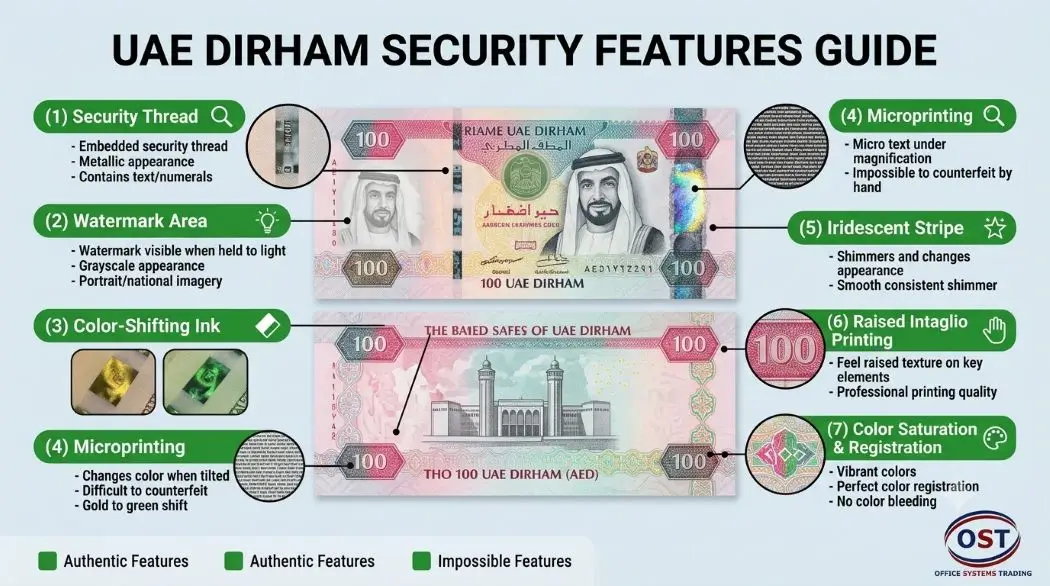
This is where things get interesting. Hold the note at an angle and tilt it slowly.
Color-Shifting Ink
Modern UAE Dirham notes include color-shifting ink on the security thread and other security elements. When you tilt the note, these elements should change color distinctly—gold to green, for example, or other color shifts depending on the denomination.
This feature is incredibly difficult to counterfeit because it requires specialized printing technology. Fake notes either show no color shift or a subtle, unconvincing shift.
Watermark Visibility
Tilt the note and look at the watermark area. As you change the angle, the watermark becomes clearer or more subtle depending on the light angle. This should happen smoothly and naturally.
Security Features Explained: What You’re Actually Looking At
The UAE Central Bank has incorporated multiple security layers into both older and newer Dirham notes. Understanding what these features do helps you spot fakes more effectively.
The Security Thread
Every UAE Dirham note contains an embedded security thread running vertically through the note. It’s not printed on the surface—it’s actually embedded within the paper or polymer substrate.
When you hold the note up to light, this thread should be clearly visible. It should have text or design elements on it. The exact appearance depends on the denomination and issue date.
Counterfeiters often print a fake thread on the surface or skip this feature entirely. Real threads have a metallic quality and are clearly embedded.
Watermarks
Hold any UAE Dirham note to light. You should see a watermark depicting a portrait or significant national imagery. This watermark is created during the manufacturing process and cannot be added afterward.
The watermark should appear in grayscale tones and be visible from both sides of the note, though it may be more visible from one side.
Microprinting
Look closely at specific areas with a magnifying glass (or good eyesight). You’ll notice tiny text that’s virtually impossible to read with the naked eye. This microprinting serves no functional purpose—it exists purely as a security feature because it’s incredibly difficult to replicate.
If you suspect a note is fake, this is a definitive test. Real microprinting is crisp and clear under magnification. Fake microprinting appears blurry or doesn’t exist at all.
Iridescent Stripe (Newer Notes)
Newer polymer Dirham notes include an iridescent stripe that shimmers and changes appearance as you tilt the note. This holographic-style feature is expensive and difficult to counterfeit.
Look for smooth, consistent shimmering across the entire stripe. Fake versions often show inconsistent shimmering or visible defects.
Old vs. New Polymer Notes: What’s Changed?
In 2021, the UAE introduced new polymer-substrate Dirham notes alongside the older paper versions. Understanding both helps you verify notes accurately.
The Transition Period (2021-2023)
Both note types are still in circulation today, so you need to know how to verify each.
Older Paper Notes:
- Cotton-paper blend substrate
- Different security features
- Specific color schemes per denomination
- Traditional printing methods
New Polymer Notes:
- Polymer (plastic) substrate
- Enhanced security features including advanced color-shifting inks
- More durable (last longer in circulation)
- Sharper printing quality
Key Differences in Security Features
The newer polymer notes include enhanced color-shifting elements and improved iridescent features. If you’re looking at an old paper note, these features won’t be present—which is correct.
The reverse is also true: if you see a newer-style polymer note with weak or missing color-shifting elements, it’s likely counterfeit.
The Central Bank of UAE’s website provides visual references for both note types. Checking these references when you’re uncertain takes 20 seconds and eliminates doubt.
Common Mistakes That Counterfeiters Make
Counterfeiting is harder than it looks, and mistakes reveal themselves to trained eyes.
Blurred Fine Details
Counterfeiters struggle to reproduce the tiny details perfectly. Microprinting is the first casualty—it’s either missing or appears blurry. Security threads are often poorly rendered.
Look at the fine lines in the background design. Real notes show crisp, sharp lines. Counterfeits show slight blurring or color bleeding.
Inconsistent Color Saturation
The colors on real currency are vibrant and consistent. Counterfeit notes often have areas where the color is too dark or too light—a telltale sign of improper printing or image resolution issues.
Run your eyes across the entire note. Does the green look uniformly green? Does the purple maintain consistent intensity? Inconsistency is a red flag.
Missing or Imperfect Security Thread
Many amateur counterfeiters simply omit the security thread or print a crude version on the surface. This is one of the easiest ways to spot an amateur fake.
A real security thread is embedded, metallic-looking, and clearly visible when held to light. Anything less is probably counterfeit.
Poor Texture Quality
We mentioned this in the touch test, but it deserves emphasis. Real currency has a specific, intentional texture. Counterfeits either feel too smooth or too rough.
Feel the denomination numerals. Do they have a raised quality? Real notes do. If the note feels uniformly flat and smooth, you’ve likely found a counterfeit.
Misaligned Design Elements
When a note is counterfeited using digital imaging and printing, alignment issues are common. The portrait might not line up perfectly with the background, or text might be slightly off-center.
These misalignments are usually subtle—not obviously wrong, but noticeably imperfect when you look carefully.
What Businesses Should Check Before Accepting Cash
If you’re a business owner, manager, or cashier, implementing a standard cash-checking protocol protects your business from losses.
The 30-Second Visual Scan
Every note over a certain threshold (you decide—maybe 50 AED and above) gets the 30-second treatment. Feel it, look at it, tilt it. Most fakes fail one of these tests.
Train Your Team
Your team should know how to perform these checks. When one person spots a fake, everyone learns. Consider keeping a reference image of genuine notes in your cash handling area.
Note the Source
If you receive a suspicious note from a customer, note the transaction. If patterns emerge (same customer, same time period), you might want to inform the police. Tracking helps authorities identify counterfeit sources.
Use Technology When Possible
While the manual inspection is your first line of defense, professional counterfeit detection devices combine UV sensors, magnetic detection, and other verification methods to catch sophisticated fakes that might bypass visual inspection. Many businesses use these tools as a secondary checkpoint for high-value transactions.
Refuse Gracefully
If you suspect a note is counterfeit, tell the customer calmly and professionally. Don’t make accusations. Simply say “This note appears to have a quality issue. Do you have another?” Most honest customers understand.
Professional Counterfeit Detection Solutions: Recommended Tools
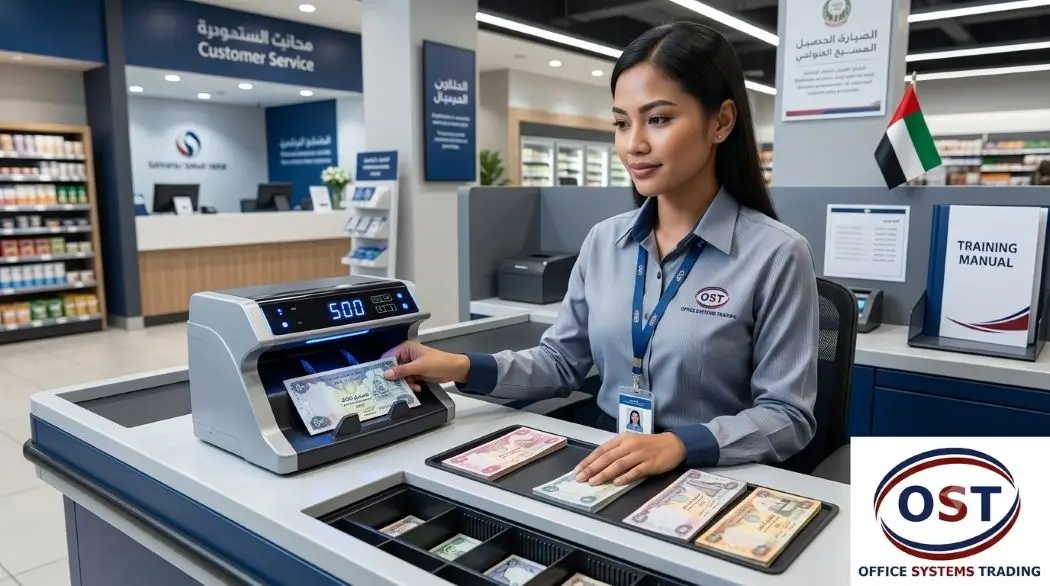
If you’re serious about protecting your business from counterfeit currency, professional-grade detection devices provide an additional layer of security beyond manual inspection.
Why Invest in Professional Detectors?
While the 30-second manual inspection handles most counterfeits, professional devices offer:
- Consistent, automated verification
- Detection of sophisticated counterfeits that might slip past visual inspection
- Speed for high-volume cash handling
- Documentation and audit trails
- Employee confidence and training consistency
Top Counterfeit Detector Options
For Retail and Small Businesses:
The Mirage MD 85 Currency Detector is a compact, portable solution ideal for cash-intensive retail environments. It combines UV and magnetic detection, making it effective for quick verification at checkout counters. Its portability means you can use it anywhere in your store.
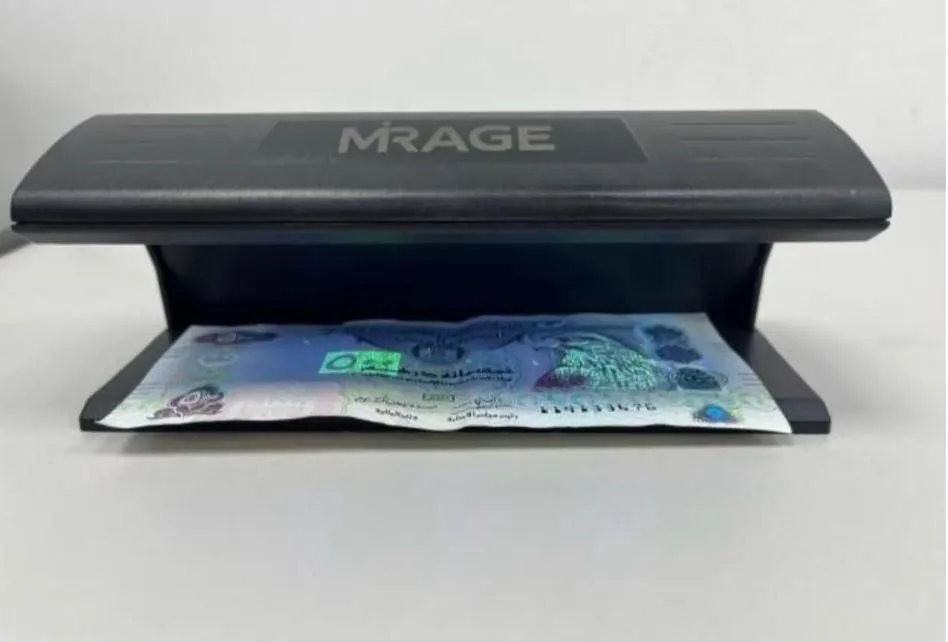
For Medium-Volume Operations:
The MIRAGE CD-747 Banknote Detector offers a balance between automation and control. It’s designed specifically for banknote verification with reliable detection of common counterfeiting techniques. This model is popular in restaurants, hotels, and retail chains handling moderate cash volumes.
For High-Security and Comprehensive Verification:
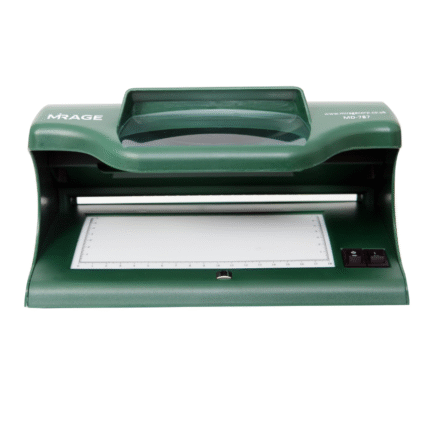
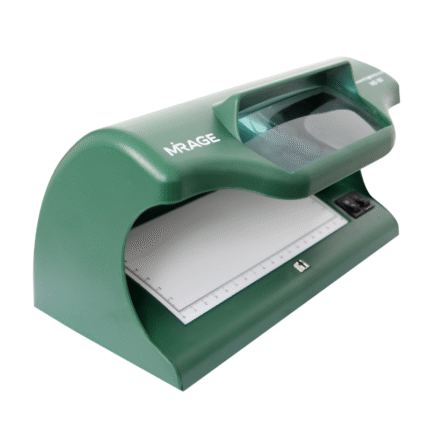
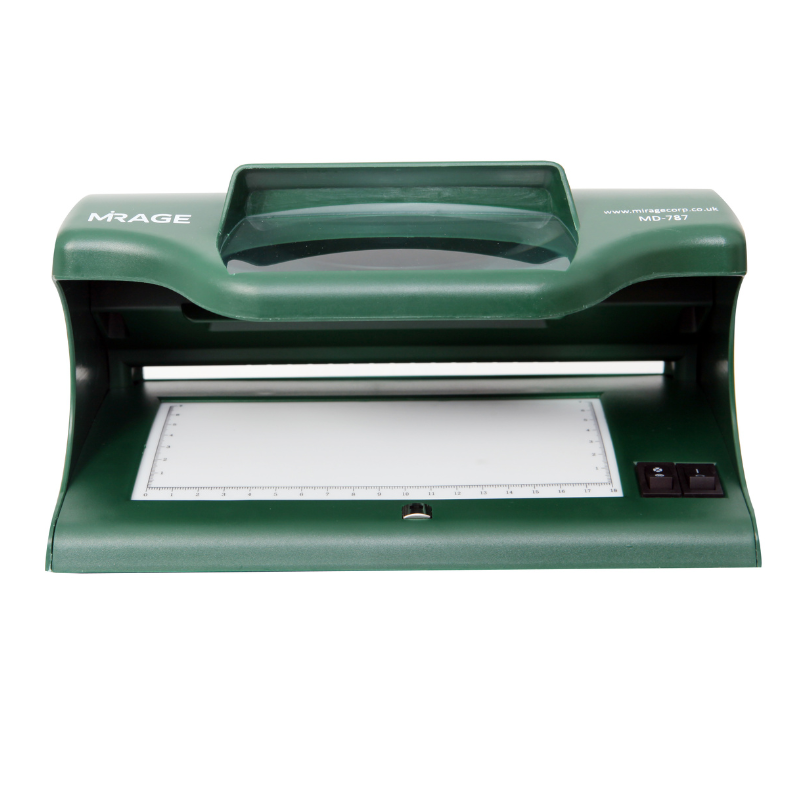
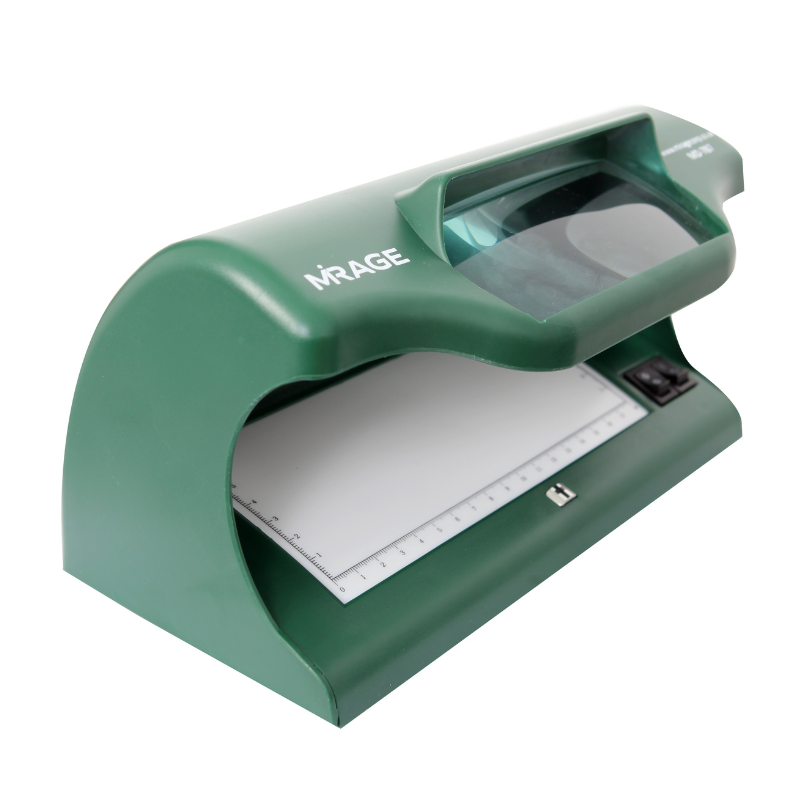
The MIRAGE MD-787 Multi-Functional Note Counterfeit Detector is the enterprise-level solution. It provides comprehensive detection combining multiple verification methods—UV, magnetic, thickness, and color analysis. If you’re handling large cash volumes or need maximum security, this is the professional-grade choice.
Integration Strategy
The most effective security approach combines:
- Manual Inspection (from this guide) – First line of defense
- Professional Detector – Secondary verification for suspicious notes
- Staff Training – Everyone understands the process
- Documentation – Record keeping for patterns
Browse our complete Counterfeit Currency Detector collection to find the solution that fits your business needs and budget.
Making the Investment Pay Off
The cost of a professional detector pays for itself after preventing just a few counterfeit losses. A single successful counterfeit in a high-volume retail environment can cost hundreds of dirhams. Most businesses recoup their investment in under six months.
What to Do If You Receive a Suspicious Note
You’ve done your inspection, and something doesn’t add up. Now what?
Step 1: Don’t Panic
Receiving a counterfeit note isn’t your fault. It happens to businesses of all sizes. Stay calm and handle the situation professionally.
Step 2: Separate the Note
Put the suspected counterfeit note in a separate, secure place. Don’t return it to the cash register or mix it with other notes. You’ll need to account for it.
Step 3: Document the Transaction
Note the time, customer description (if possible), transaction details, and anything else that might help. This information is valuable to authorities and protects your business records.
Step 4: Contact Your Bank
Call your bank and inform them you have a suspected counterfeit note. Many banks have procedures for handling this. They might ask you to bring it in or provide specific instructions.
Don’t attempt to spend the note or pass it along. Using counterfeit currency—even unknowingly—can create legal complications.
Step 5: Consider Reporting to Authorities
For repeat issues or high-value counterfeits, consider reporting to the UAE’s Ministry of Interior or local police. They track counterfeiting patterns and appreciate the information.
Step 6: Adjust Your Procedures
If you received the fake note from a customer, review your inspection process. Where did the check fail? What can you do better next time?
Frequently Asked Questions About How to Detect Fake UAE Dirham Notes
With practice, you can identify a counterfeit in 30 seconds or less. The touch test takes 5 seconds, visual check takes 10 seconds, and the tilt test takes another 10-15 seconds. Most fake notes fail at least one of these tests immediately, so you often know within 10 seconds if something’s wrong.
The security thread. Many counterfeiters either skip it entirely or print a crude version on the surface. Real security threads are embedded inside the note and appear metallic when held to light. If the thread is missing, poorly made, or printed on top, it’s definitely fake.
Absolutely. If a customer believes a note is suspicious, never force them to accept it. Simply say “I understand your concern. Would you prefer a different note?” This protects both parties. Most genuine customers will accept a different note without issue, and you maintain goodwill.
Keep them. Don’t destroy, spend, or pass along counterfeit notes. Instead, secure the note separately, document the transaction details (time, customer description, amount), and contact your bank. Banks have procedures for handling counterfeits and may need to report them to authorities. Destroying evidence prevents proper investigation.
Yes, but it’s easier than you think. Older notes use cotton-paper substrate with different security features than newer polymer notes. The key is identifying which type you have first by texture (paper vs. plastic), then checking the appropriate security features for that version. The Central Bank’s website shows both versions clearly for reference.
Printable 30-Second Inspection Checklist
For Cashiers and Business Owners:
QUICK FAKE NOTE DETECTION CHECKLIST
═══════════════════════════════════════════

□ TOUCH TEST (5 seconds)
  □ Texture feels substantial (not too smooth or too thin)
  □ Raised print noticeable on denomination numerals
  □ Note doesn't tear easily or feel flimsy

□ LOOK TEST (10 seconds)
  □ Colors are vibrant and evenly saturated
  □ Fine lines are sharp and clear (no blurring)
  □ Microprinting areas look crisp and detailed
  □ Portrait is clear with proper detail and shading
  □ Design elements align properly

□ TILT TEST (10 seconds)
  □ Color-shifting ink changes appearance visibly
  □ Security thread appears metallic
  □ Watermark becomes clearer when tilted

□ FINAL CHECK (5 seconds)
  □ All security features match the denomination
  □ Overall impression: note feels "right"

═══════════════════════════════════════════
If ANY check fails: SET NOTE ASIDE
Contact your bank immediately
═══════════════════════════════════════════
Building Trust Through Verification
As a cashier or business owner, your ability to spot counterfeits protects your business and your customers. It’s not about being suspicious of everyone—it’s about being competent and professional.
The techniques in this guide work because they’re based on how modern currency is manufactured. Real currency has features that are expensive and difficult to replicate. When you know what to look for, fakes stand out.
Practice these checks on known genuine notes first. Get comfortable with how real currency feels and looks. Then, when you encounter a suspicious note, your trained eye and touch will immediately recognize something is wrong.
Popular choices for different business sizes:
- Mirage MD 85 Currency Detector – Compact & portable for retail
- MIRAGE CD-747 Banknote Detector – Reliable mid-range solution
- MIRAGE MD-787 Multi-Functional Detector – Professional-grade for enterprises
The 30 seconds you invest checking each note, combined with professional detection tools, can save you thousands in counterfeit losses.
[Download the Full Verification Training Guide] → https://ostmena.com/blogs/
Final Thoughts: Confidence in Every Transaction
Spotting counterfeit UAE Dirham notes isn’t mystical or complicated. It’s a skill that develops with practice and the right knowledge.
You now understand:
- What real notes feel like
- What visual inconsistencies indicate counterfeiting
- Which security features matter most
- How to handle suspected counterfeits
- What to teach your team
The confidence you gain from this knowledge translates directly to better security for your business. You’ll handle transactions with certainty, and your customers will appreciate the professional approach.
Still not sure which machine fits your operation?
Contact Ostmena’s team for a tailored recommendation, or visit the Ostmena blog for more cash handling guides.
Contact Ostmena’s team →